
28 Years Later: A Powerful Study of Time, Survival, and Humanity
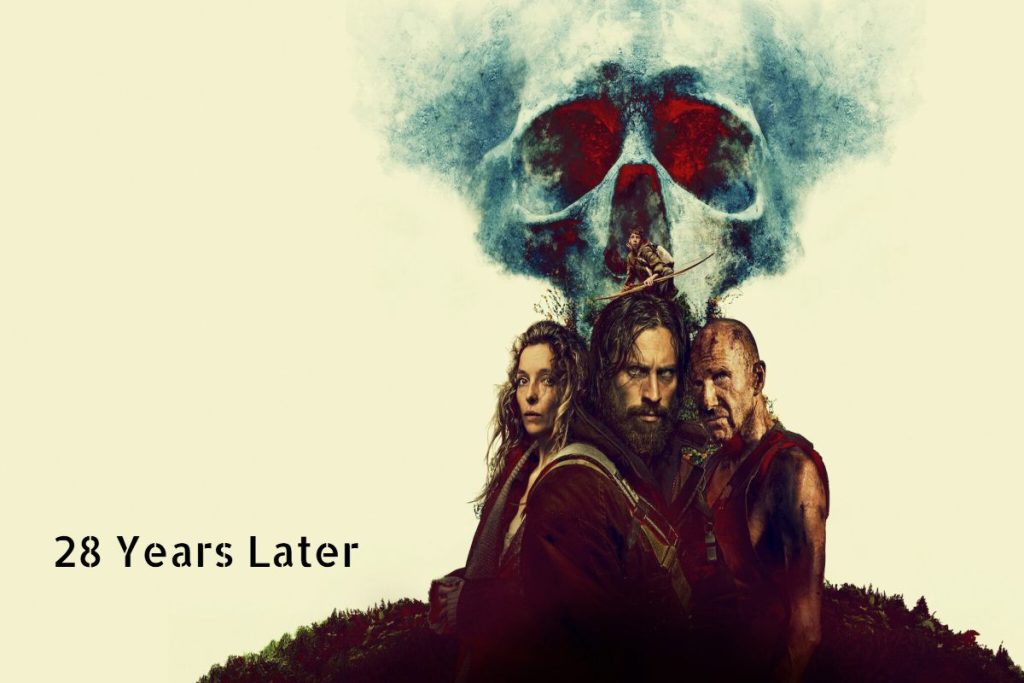
Time-based storytelling allows audiences to measure human progress, emotional endurance, and moral change across generations. Stories that span decades help students and readers understand how events echo through history and shape societies. This article explores such a narrative with a teacher-like approach, using 28 Years Later as a natural reference point to explain ideas clearly while connecting them to real-world understanding. The goal is to provide depth, clarity, and structured insight for learners and curious readers alike.
Understanding the Core Idea of Long-Term Survival
Long-term survival narratives focus on how people adapt mentally and socially over extended periods of crisis. They show how fear, hope, and resilience evolve when immediate danger becomes a way of life. Real-life examples include communities rebuilding after wars or pandemics, proving that endurance is both psychological and practical. These lessons help readers relate fiction to real historical recovery patterns.
Historical Context and Cultural Reflection
How Time Shapes Collective Memory
Over decades, societies remember events selectively, highlighting victories while softening painful losses. This process mirrors how families pass down stories, shaping identity and belief systems. Historians often note that memory evolves as new generations reinterpret old facts. Such reflection builds cultural continuity and shared understanding.
Generational Shifts in Perspective
Each generation reacts differently to inherited challenges and responsibilities. Younger generations often question decisions made by their predecessors while learning from their mistakes. Sociological studies confirm that generational viewpoints influence policy, art, and education. This shift keeps societies dynamic rather than stagnant.
The Role of Technology and Media Awareness
Modern audiences consume long-form stories alongside evolving digital platforms, shaping how narratives are discussed and shared. In educational discussions, teachers often compare storytelling evolution to how IPTV changed global media access, allowing stories to reach diverse audiences instantly. This comparison helps students understand technological influence on cultural memory. Media access shapes perception as much as the story itself.
Ethical Questions and Moral Choices
Right vs. Survival
When resources are scarce, ethical boundaries blur quickly. People must decide whether survival justifies extreme actions. Philosophy classes often use such scenarios to discuss moral relativism. These debates sharpen critical thinking skills.
Leadership and Responsibility
Leadership during long-term crises requires empathy and strategic thinking. Poor decisions echo for years, affecting entire communities. Historical leaders during wars faced similar pressures. Responsibility becomes heavier with time.
Social Structures and Community Building
As societies rebuild, new systems replace broken ones. Education, trade, and governance slowly re-emerge. This rebuilding phase resembles how Best IPTV Service platforms organize content for structured access, offering order after chaos. Structure restores trust and functionality.
Global Parallels and Real-World Examples
Long-term recovery stories exist worldwide, from post-war Europe to disaster-hit regions in Asia. Media discussions often reference IPTV Dubai when explaining how regional storytelling reaches global classrooms. These parallels help learners connect fiction to reality. Global awareness enriches understanding.
Economic Adaptation and Resource Management
Scarcity and Innovation
Scarcity forces innovation and efficiency. Communities learn to reuse and repurpose resources creatively. Economists study such models to improve sustainability. Innovation thrives under pressure.
Trade and Communication
As stability returns, trade networks slowly reappear. Communication becomes essential for growth and cooperation. Just as IPTV Dubai Subscription models rely on stable networks, societies depend on reliable systems. Connectivity fuels recovery.
The Importance of Planning for the Future
Planning ensures survival beyond the present moment. Long-term vision separates thriving societies from collapsing ones. Strategic planning is taught in management studies worldwide. The future is built deliberately.
Media, Education, and Storytelling
Stories spanning decades require careful narration to maintain coherence. Educators compare this to structured IPTV Plans, where content is organized logically for better understanding. Organization enhances engagement. Structure supports learning.

Authority, Trust, and Knowledge Sharing
Building Trust Over Time
Trust develops slowly through consistent actions. Communities rely on transparency and fairness. Sociologists emphasize trust as a foundation of civilization. Without it, systems fail.
Credible Information Sources
Reliable knowledge prevents panic and misinformation. Teachers stress evaluating sources critically. Just as IPTV Subscription services depend on verified channels, societies rely on trusted information. Credibility ensures stability.
The Human Need for Connection
Isolation weakens resilience, while connection strengthens it. Shared experiences build empathy and cooperation. Studies show social bonds improve survival rates. Humanity thrives together.
Cultural Identity and Preservation
Culture preserves values, language, and memory. Even in crisis, art and storytelling continue. Platforms like IPTV Subscriptions demonstrate how culture is preserved digitally today. Preservation maintains identity.
Lessons for Modern Society
Long-term narratives teach patience, empathy, and foresight. They remind us that recovery is gradual and collective. Teachers use these stories to encourage critical thinking. Lessons remain relevant.
The Future of Long-Form Storytelling
As technology evolves, storytelling methods adapt. Providers like IPTV Providers show how content delivery changes without losing depth. Evolution keeps stories accessible. Adaptation ensures longevity.
Educational Value for Students
Students learn history, psychology, and ethics through extended narratives. Teachers appreciate their interdisciplinary value. Comparing them to Best IPTV Premium Service models helps explain structured learning. Education benefits from analogy.
Global Reach and Cultural Exchange
Stories crossing borders promote empathy and understanding. Global platforms enable shared learning experiences. Best IPTV Service Provider examples illustrate cross-cultural exchange. Exchange builds unity.
Regional Perspectives and Language Inclusion
Including regional voices enriches narratives. Language diversity ensures broader understanding. Services like IPTV UAE highlight regional representation. Inclusion strengthens relevance.

Preserving Language and Tradition
Language preservation maintains cultural depth. Stories help protect endangered traditions. IPTV Arabic Channel List examples show how media supports language continuity. Tradition survives through storytelling.
Conclusion
The narrative of 28 Years Later demonstrates how time reshapes humanity, ethics, and survival strategies. Through structured analysis, real-world parallels, and educational framing, readers gain deep insight into long-term resilience. Such stories remind us that endurance, learning, and cooperation define human progress. Understanding them prepares us for future challenges with wisdom and clarity.
Frequently Asked Questions (FAQs)
What makes long-term survival stories educational?
They combine history, psychology, and ethics, helping learners understand human behavior over time.
Why are multi-decade narratives important for students?
They teach patience, cause-and-effect relationships, and long-term consequences of decisions.
How can teachers use such stories effectively?
By linking fictional events to real historical examples and encouraging discussion.
What skills do readers gain from these narratives?
Critical thinking, empathy, and a deeper understanding of societal development.