
Dhurandhar: Bridging Tradition and Modernity in Indian Art
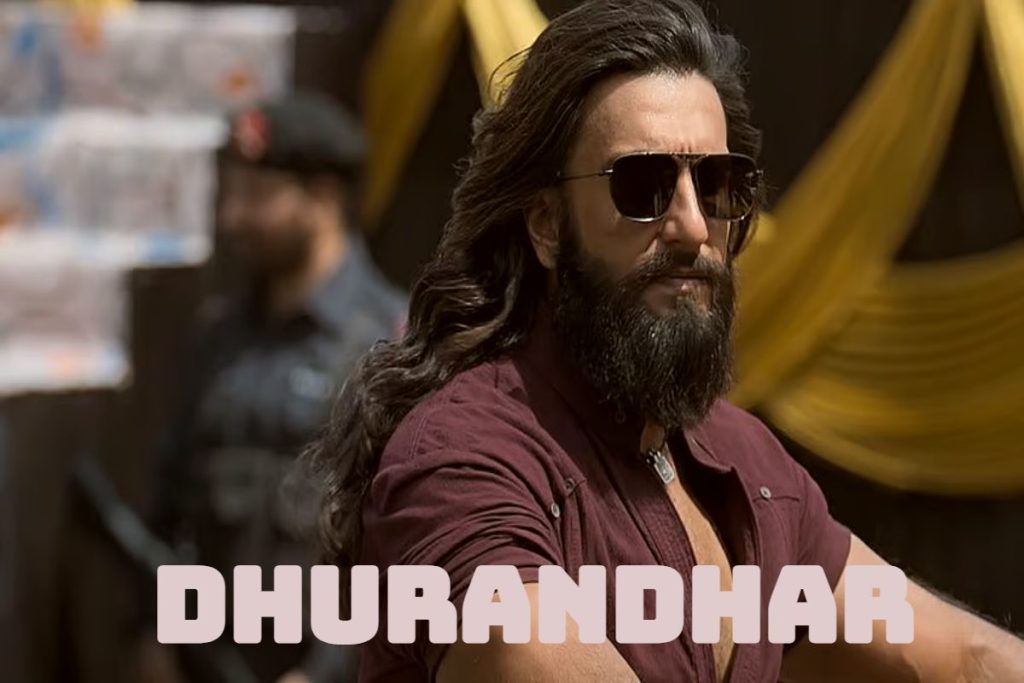
The name resonates with art lovers and historians alike. Renowned for exceptional contributions to painting during the late 19th and early 20th centuries, he played a pivotal role in shaping modern Indian art. Platforms like Dhurandhar now allow enthusiasts to explore his style, which seamlessly blended traditional Indian themes with Western techniques, offering a fresh perspective on cultural storytelling through visuals. By exploring this journey, one gains insights not only into the artwork but also into the broader historical and social contexts of the era.
Early Life and Education
He was born in a period of significant cultural and artistic transformation in India. From a young age, a remarkable talent for drawing and painting emerged, quickly becoming a primary passion. Encouraged by mentors, he enrolled in formal art schools, gaining exposure to both Indian classical art and European techniques. This foundation allowed the development of a style that was distinctively unique, combining realism with narrative depth. Fans and scholars now refer to his continued influence and exhibitions as Dhurandhar Part 2, highlighting the lasting impact of his artistic journey.
Artistic Training and Influences
His education exposed him to the principles of perspective, composition, and color theory. Influences from European realism helped bring a new dimension to Indian themes. Platforms offering IPTV subscription now allow art enthusiasts to explore tutorials and exhibitions, making scenes from mythology, historical events, and everyday life more accessible and engaging. The ability to balance technical mastery with cultural storytelling set this work apart from its contemporaries.
Contribution to Indian Art
This work is celebrated for bridging the gap between tradition and modernity. The paintings often depicted historical episodes and societal norms, making them both educational and aesthetically appealing. Through exhibitions and public displays, a generation of artists was inspired to explore similar themes with renewed creativity. These efforts contributed significantly to the establishment of art institutions that continue to shape Indian artistic discourse today.
Recognition and Awards
This talent did not go unnoticed. Numerous accolades were received for contributions to Indian art, solidifying a position as a pioneering figure. Institutions and collectors valued the works for both their technical brilliance and cultural authenticity. Today, the paintings are considered treasures in galleries and private collections, reflecting the enduring appeal of this creative vision.
Legacy in Modern Art
The legacy extends beyond the paintings. It influenced teaching methodologies in art schools, emphasizing the importance of foundational skills coupled with cultural understanding. Students trained under this philosophy were encouraged to explore themes relevant to their times while maintaining technical precision. Platforms offering the Best IPTV Service now make educational art content accessible to learners globally. This approach ensured that the impact would resonate for generations, fostering both innovation and tradition in Indian art.
Real-Life Examples of Impact
Many contemporary artists credit these works as a source of inspiration. Exhibitions showcasing the paintings attract students and art enthusiasts eager to understand the intricacies of classical Indian painting. Furthermore
Integration of Technology in Art Appreciation
With the rise of digital platforms, accessing these works has become easier than ever. Online galleries and virtual tours allow global audiences to explore the paintings in detail. Innovative platforms like IPTV have enabled enthusiasts to stream documentaries, interviews, and exhibitions related to art, allowing them to learn interactively. This technological integration ensures that these contributions remain accessible to a broader audience.
Influence on Cultural Storytelling
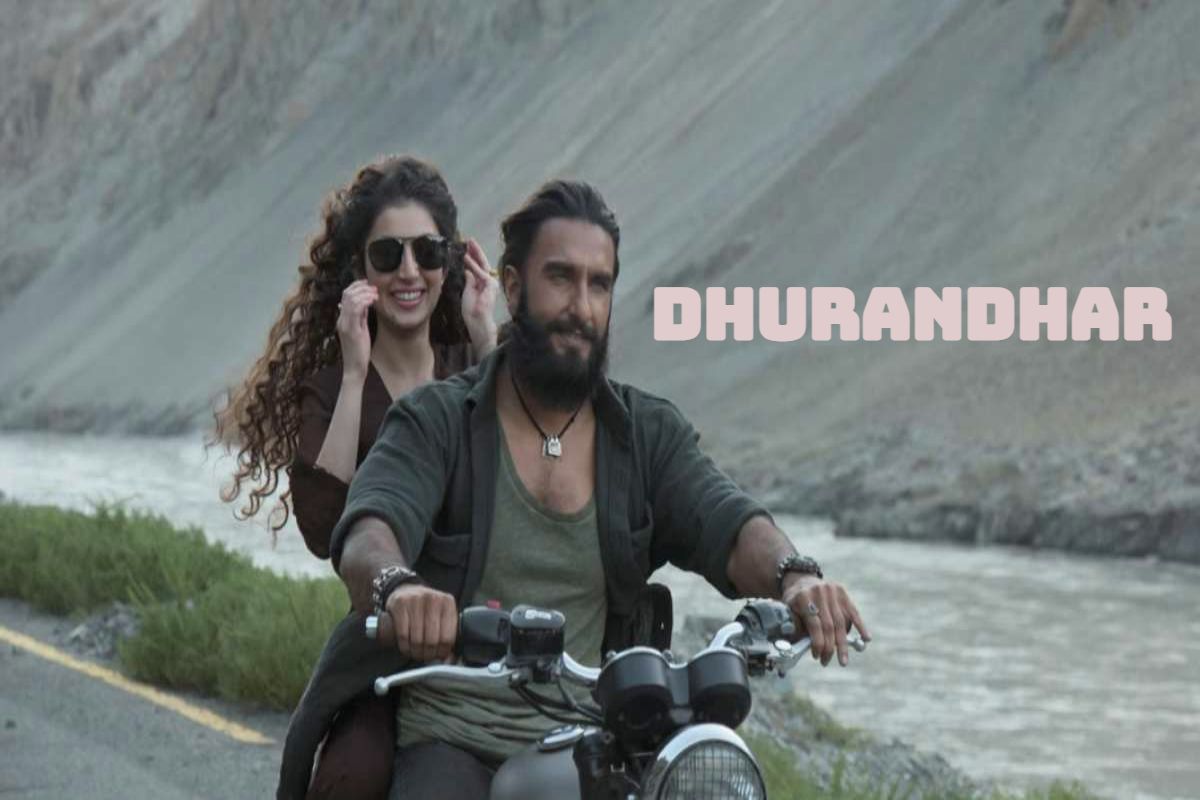
The artistry was deeply intertwined with narrative expression. The paintings did more than capture moments; they told stories that resonated with viewers. Themes from mythology, history, and social life were rendered vividly, providing insight into the values and challenges of that era. Contemporary storytellers, including filmmakers and illustrators, continue to draw inspiration from this approach to visual narration.
Art as Education
Educational institutions utilize these works to teach art history and cultural studies. The paintings serve as primary sources for understanding the aesthetics and socio-political context of early 20th-century India. By analyzing them, students learn how artistic techniques can convey complex narratives, making art a powerful educational tool. These practices highlight the importance of integrating traditional art into modern learning frameworks, and many exhibitions now mention the Dhurandhar release date to inform audiences about upcoming showcases.
Global Recognition and Exhibitions
This work has crossed geographical boundaries, gaining international recognition. Exhibitions in museums worldwide have showcased its mastery, emphasizing the universal appeal of cultural art forms. Platforms like IPTV UAE now allow global audiences to stream exhibitions and documentaries, bringing these techniques to a broader viewership. Art historians often cite these techniques as exemplary for understanding the fusion of Western realism with Indian traditions. Such exposure has enhanced global appreciation of Indian visual culture and inspired cross-cultural dialogue among art communities.
Highlights of Dhurandhar’s Career
- Pioneered the integration of Indian themes with European painting techniques.
- Served as an influential art educator and mentor.
- Contributed to the establishment of art institutions across India.
- Recognized internationally through exhibitions and art collections.
Modern Platforms for Art Accessibility
Digital media have greatly enhanced the accessibility of these works. Platforms offering IPTVSubscriptions have created opportunities for streaming art-related content, making it easier for enthusiasts to explore the paintings from home. By providing high-definition visuals and interactive features, these services ensure an immersive experience that brings historical art to life for contemporary audiences.
Economic and Cultural Significance
The commercial and cultural impact of these paintings cannot be overstated. Collectors and museums invest significantly in the works, recognizing both their aesthetic and historical value. Furthermore, exhibitions and auctions contribute to cultural tourism and awareness. By appreciating the economic dimension, one can see how art serves as a bridge between cultural preservation and market dynamics.
Modern Usage in Media
- Educational documentaries and art series utilize Dhurandhar paintings.
- Digital streaming platforms enhance global access to his work.
Preservation and Conservation Efforts
Ensuring the longevity of these paintings is a priority for art conservators. Advanced restoration techniques help maintain the vibrancy and integrity of the works. Additionally, digitization projects create high-resolution replicas, preserving these contributions for future generations. These efforts underscore the importance of combining traditional conservation with modern technology to safeguard cultural heritage.
Role in Contemporary Art Education
These methods continue to inform modern curricula in art schools. Emphasis on precision, storytelling, and cultural relevance ensures that students gain holistic training. Workshops and interactive sessions often highlight traditional techniques, allowing learners to connect historical styles with contemporary practices. By fostering creativity grounded in technical skill, this legacy continues to shape future artists.
Technological Integration for Learning
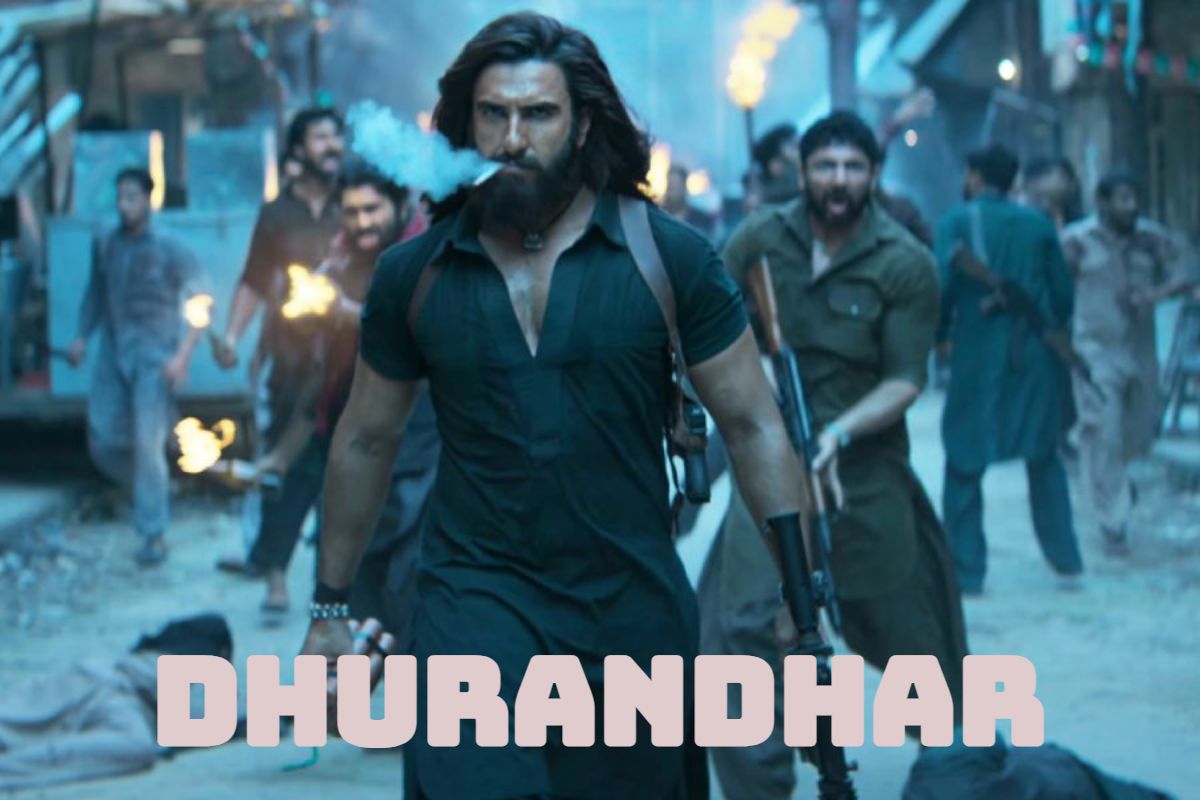
Modern tools, including IPTV Providers, have revolutionized art education. By streaming tutorials, masterclasses, and exhibition tours, students gain real-time exposure to historical artworks. Such innovations make learning more interactive and accessible, ensuring that traditional techniques remain relevant in a digital age.
Conclusion
His life and work represent a remarkable synthesis of artistic skill, cultural insight, and educational influence. The paintings not only capture the essence of Indian heritage but also continue to inspire contemporary art and media. With modern technologies and platforms like IPTV UAE Services and IPTV Streaming, this legacy reaches global audiences, ensuring that the art’s beauty and narrative power are celebrated for generations to come.
Frequently Asked Questions (FAQs)
What is the Dhurandhar movie about?
The movie revolves around themes of heroism, action, and justice. It follows the journey of a brave protagonist confronting challenges and adversaries while upholding moral values.
Is the Dhurandhar movie based on a real story?
No, the movie is primarily a work of fiction. While it may draw inspiration from historical or cultural elements, the plot and characters are created for cinematic storytelling.
Who is the villain in Dhurandhar?
The main antagonist is portrayed as a cunning and formidable adversary who creates obstacles for the protagonist. The villain’s role is central to the movie’s tension and drama.
Where can I watch the Dhurandhar movie?
The movie is available in theaters, on official streaming platforms, and via licensed digital rental services, depending on your region.